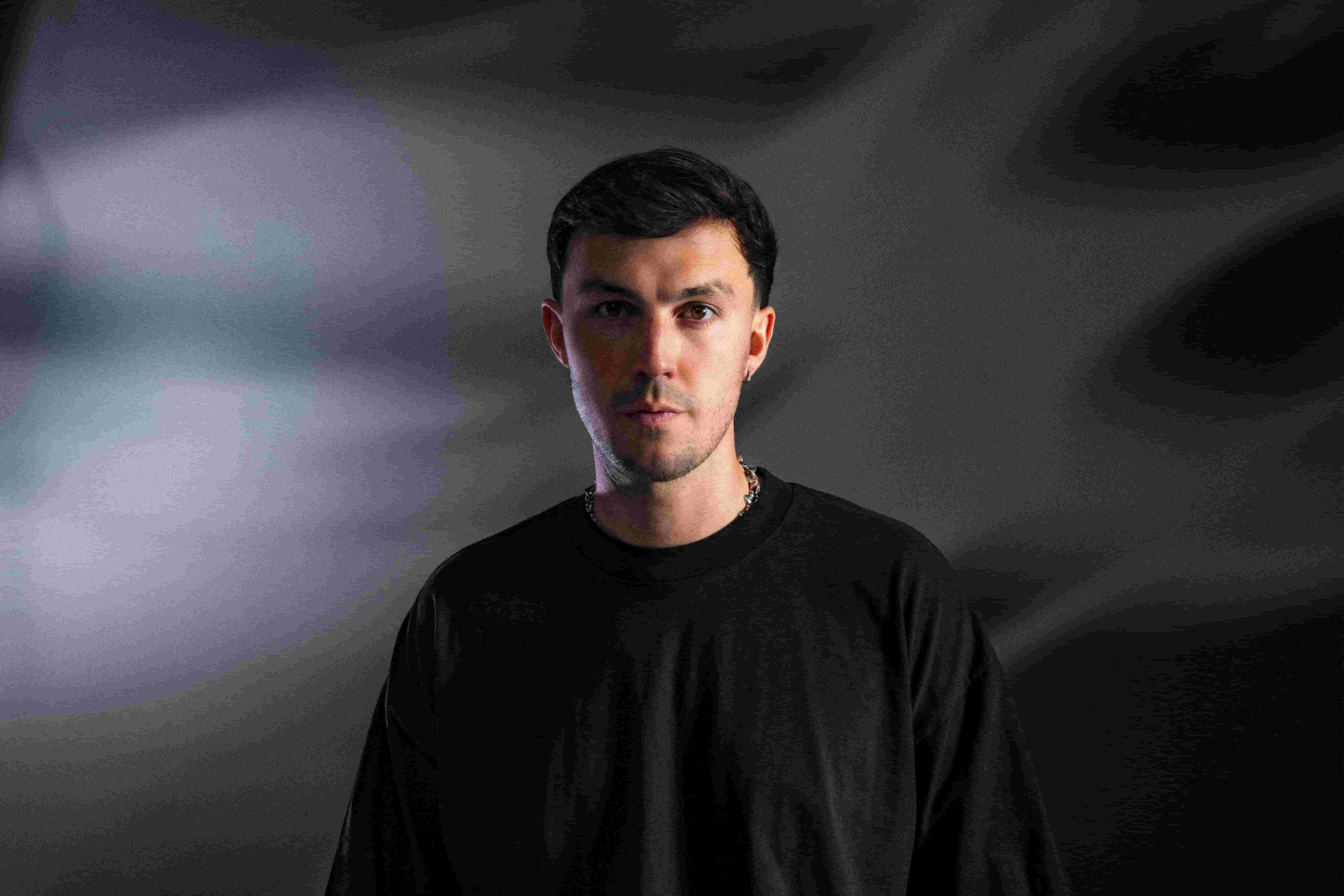
Stray Kids didn't just bring K-pop to Rock in Rio—they showed the festival exactly how big the genre has become.
Rock in Rio has spent decades bringing some of the biggest names in music to its stages. Now, in 2026, a new chapter has officially been written.
On September 11, Stray Kids took over the Palco Mundo as the first K-pop act to headline Rock in Rio, marking a major moment not only for the
group, but for K-pop's growing place on the world's biggest festival stages.
And if anyone was wondering whether K-pop belonged there, the crowd had an answer.
Absolutely.
A First for Rock in Rio
For the first time in the festival's history, Rock in Rio dedicated a full day of its main-stage programming to K-pop.
NEXZ opened the Palco Mundo, followed by solo powerhouse Hwasa, before Stray Kids arrived as the night's headliners.
It was a pretty significant change for a festival that has spent more than four decades building its reputation around major international and Brazilian acts.
But K-pop didn't arrive quietly.
It arrived with lightsticks, screaming fans, massive choreography and thousands of STAYs ready to make their presence known.
Stray Kids Were Made for This Stage
If there's one thing Stray Kids have never been afraid of, it's being loud.
Known for their high-energy performances, genre-bending production and self-produced music, the group brought a live band to the festival rather than
relying solely on the performance format often associated with large-scale K-pop shows.
Their set moved through some of their biggest tracks, including “MANIAC,” “Thunderous,” “God's Menu,” “LALALALA,” “Chk Chk Boom,” “MIROH” and “RUN IT,” alongside festival versions and remixes.
And they weren't exactly playing to a quiet room.
One report described the crowd as filling the area in front of the Palco Mundo, with Bang Chan reportedly reacting with disbelief at the sheer size of the audience.
STAYs Came Ready
You can't talk about this performance without talking about the fans.
The Rock in Rio crowd was filled with Stray Kids' signature lightsticks, turning the festival grounds into a sea of colour as STAYs sang, screamed and danced along.
The scale of the response was impossible to ignore. According to TIM data reported by Folha de S.Paulo, the Stray Kids performance generated 2.3 terabytes of mobile data traffic, the highest of the 2026 festival edition at that point—around 20% more than the traffic generated during Black Eyed
Peas' performance.
That's more than a fandom having a good night.
That's an audience making noise.
K-Pop Has Officially Entered the Festival Conversation
Perhaps the biggest takeaway from Stray Kids' Rock in Rio performance isn't simply that the group made history.
It's what the invitation represents.
K-pop has spent years moving from niche fandom spaces into the mainstream. Stadium tours, global chart success, major brand partnerships and increasingly prominent festival slots have all contributed to that shift.
Rock in Rio putting K-pop directly on its biggest stage is another step in that evolution.
And Stray Kids were a particularly fitting choice.
Their music doesn't fit neatly into one genre. Hip-hop, rock, electronic production, pop and experimental sounds all find their way into the group's catalogue, giving them an identity that can translate naturally to a huge festival environment.
This Was Bigger Than One Group
Stray Kids may have been the headline, but they weren't alone.
Having NEXZ and Hwasa alongside them meant the festival wasn't simply adding one K-pop performance to an otherwise traditional lineup. It created an entire space for Korean artists and their fans on the Palco Mundo.
That matters.
Because when a festival makes room for an entire genre, it sends a very different message from simply booking one artist.
It says: we see the audience.
And Rock in Rio clearly saw just how large that audience has become.
The Main Stage Has Changed
Rock in Rio has always been about bringing different sounds and cultures together. But Stray Kids' performance shows just how much the definition of a “festival headliner” has evolved.
The biggest stage doesn't belong to one genre anymore.
It belongs to artists who can fill it.
And on September 11, Stray Kids proved they could.
From the first beat to the final encore, the group turned the Palco Mundo into their own world—and thousands of STAYs made sure they knew exactly how much the moment meant.
The Off The Mic Take
For years, K-pop fans have watched their favourite artists break one barrier after another.
Rock in Rio was simply the latest one.
Stray Kids becoming the festival's first K-pop headliner isn't just a cool milestone to add to the group's growing list of achievements. It's another sign that the global music landscape is changing—and that the biggest stages are becoming increasingly international.
K-pop didn't arrive at Rock in Rio asking for permission.
It took the main stage.
And judging by the noise coming from the crowd, it looks like it's staying there.